
Where Clinical Experience Meets Nervous System Support
My Hands-on Work brings together two strands of my professional journey.
The first is many years of Musculoskeletal Physiotherapy, including a particular interest in chronic neck pain, Whiplash-Associated Disorders, and conditions involving the upper cervical spine.
Through this work I developed a detailed understanding of anatomy, movement, pain, and the complex relationship between the neck, head, nervous system, and the rest of the body. It also refined one of the most important skills a Manual Therapist can develop: the ability to listen through their hands.
The second strand comes from my training in Evidence-Based Natural Vagus Nerve Stimulation through Dr. Arielle Schwartz and The Polyvagal Institute.
Over recent years there has been growing interest in the role of the vagus nerve in health, recovery, and regulation. The vagus is a major communication pathway between the brain and body, influencing everything from breathing and heart rate to digestion, inflammation, and our ability to feel safe and connected.
My approach combines these two worlds.
Treatment begins with gentle rhythmic work through the upper cervical spine. These techniques have long been used within physiotherapy and manual therapy to improve movement, reduce tension, and support comfort in the neck and surrounding tissues.
From there, I incorporate gentle soft tissue techniques around areas where branches of the vagus nerve and other cranial nerves travel close to the surface, including the face, ears, scalp, and neck.
Hands-on Work
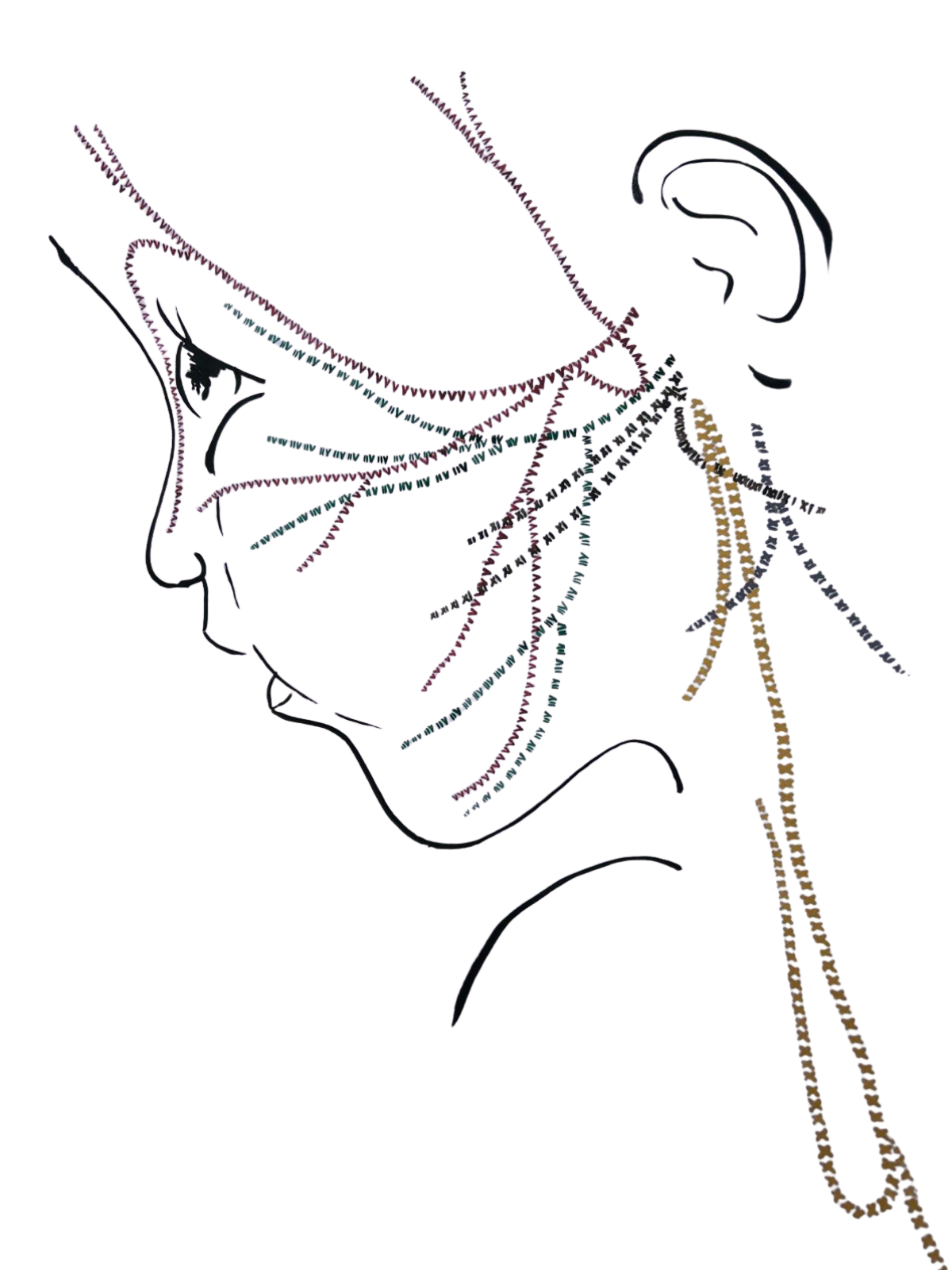
The aim is not to force change, but to offer the nervous system a different experience.
Many people describe the treatment as deeply calming, grounding, or restorative. Others notice improved sleep, easier breathing, reduced tension, or simply a greater sense of ease within themselves.
While everyone's experience is different, the principles behind this work are rooted in a growing understanding of how touch, movement, breath, and safety influence the nervous system.
Why the Vagus Nerve Matters
Our understanding of the vagus nerve continues to grow. Medical vagus nerve stimulation devices are now used in the treatment of conditions such as epilepsy, and research is exploring their potential role in areas including inflammation, trauma-related symptoms, mood disorders, and autoimmune conditions.
Alongside these developments, there is increasing interest in natural approaches that may help support vagal function through breath, movement, voice, social connection, and therapeutic touch.
My work draws on this emerging understanding while remaining grounded in clinical reasoning, anatomy, and many years of experience working with people living with pain and long-term health challenges.